Email Marketing Training

Turn Emails into Revenue

Learn to create email funnels that nurture and convert your audience.

Email is one of the most direct ways for businesses to communicate with people. People check emails for information, offers, updates, resources, and useful content.

For businesses, email marketing can help maintain relationships with existing audiences and communicate with people who have already shown interest.

But successful email marketing is not about sending random messages. It is about sending the right message to the right audience at the right stage. A strong email strategy can help businesses attract attention, nurture relationships, build trust, and guide subscribers toward meaningful actions.

At AIPDMA, you learn practical email marketing concepts and understand how email funnels can be planned, created, and improved. Whether you are an enterprise, digital marketer, or student, learning email marketing can strengthen your digital marketing skills.

Enterprises Digital Marketers Students
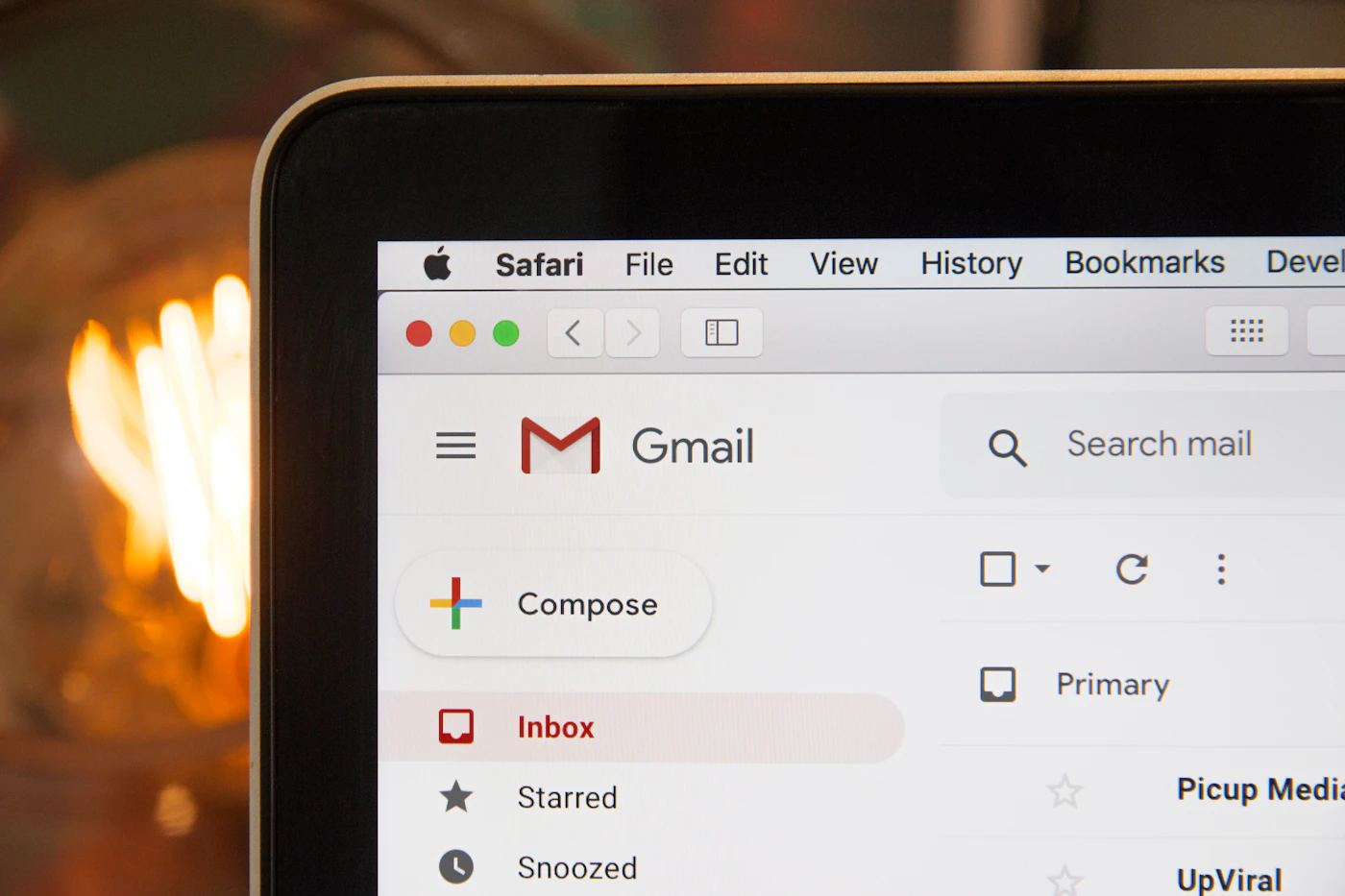
Laptop screen showing an email inbox used for email marketing communication
Email marketing communication through a professional inbox
Why Email Marketing Matters

Why Email Marketing Matters

Email allows businesses to communicate directly with people who have chosen to receive their messages.

Unlike a single social media post, an email can be designed around a specific message, audience, and goal.

Business team planning email communication and newsletter strategy together
Email communication and newsletter planning

Build Direct Audience Relationships

Email gives businesses a way to stay connected with their audience.

You can use email to:

  • Share useful information
  • Introduce products or services
  • Send updates
  • Educate subscribers
  • Build trust
  • Encourage action

The focus should be on providing value rather than sending messages simply to fill an inbox.

Stay Connected With Your Audience

People may not be ready to buy when they first discover a business.

Email helps businesses continue communicating with interested audiences.

Useful emails can keep people informed and help build familiarity over time.

Understand Email Funnels

Understand Email Funnels

An email funnel is a planned sequence of messages that guides subscribers through different stages. Instead of sending one message to everyone, businesses can create emails based on where people are in their customer journey.

Move From Awareness to Action

An email funnel can help guide people through stages such as:

Awareness Interest Education Trust Consideration Action

Each stage can have a different purpose.

Understanding the stage helps you create more relevant messages.

Send the Right Message at the Right Time

Not every subscriber needs the same email.

A new subscriber may need an introduction. An interested person may need more information. A person considering a product may need clear details before making a decision.

Matching the message with the audience stage can create a better email experience.

Create Emails People Want to Read

Create Emails People Want to Read

People receive many emails every day. Your email needs to communicate its purpose clearly.

Write Clear Email Subject Lines

The subject line is one of the first things people see.

A good subject line should clearly communicate what the email is about.

Avoid confusing or misleading messages.

Keep the subject focused on the value or information inside the email.

Write Simple and Useful Email Content

Good email content should be:

Clear Useful Relevant Easy to read Focused Action oriented

Avoid unnecessary words.

Give readers a clear reason to continue reading.

Build Trust Through Email

Build Trust Through Email

Email marketing works best when people trust the sender. Trust develops through useful communication and consistent value.

Educate Before You Sell

Not every email needs to promote a product.

You can share:

  • Helpful information
  • Tips
  • Guides
  • Educational content
  • Updates
  • Solutions to common problems

Providing value helps create stronger relationships with subscribers.

Communicate With Purpose

Every email should have a clear reason.

Before sending an email, ask:

  • Why am I sending this?
  • Who is receiving it?
  • What do they need?
  • What should they understand?
  • What action should they take?

These questions help create more focused email campaigns.

Campaigns, Nurturing, Automation, and Measurement
Create Email Campaigns

Create Email Campaigns

An email campaign is a planned group of messages created around a specific purpose. Campaigns can be used for different marketing goals.

Plan Different Types of Emails

Email campaigns can include:

Welcome emails Educational emails Promotional emails Product emails Service emails Follow-up emails Updates Lead nurturing emails

Each type of email can serve a different purpose.

Create Consistent Communication

Email marketing becomes more useful when communication follows a clear plan.

Instead of sending messages randomly, create a schedule that supports your audience and marketing goals.

Consistency helps you maintain communication without overwhelming subscribers.

Nurture Leads With Email

Nurture Leads With Email

Not every lead is ready to make a decision immediately.

Lead nurturing helps businesses continue communicating with interested people.

Understand the Customer Journey

A person may first discover your business. Then they may subscribe to your emails. Later, they may learn more about your products or services. Eventually, they may become ready to take action.

Email can support communication throughout this journey.

Create Relevant Follow-Up Emails

Follow-up emails can help answer questions and provide additional information.

Useful follow-ups can:

  • Explain a product
  • Share helpful content
  • Answer common questions
  • Provide additional information
  • Encourage the next step

The message should match the subscriber's needs.

Email performance dashboard showing campaign analytics and measurement
Email automation, campaign planning, and performance measurement
Use Email Automation

Use Email Automation

Email automation allows businesses to send planned messages based on specific actions or conditions. Automation can make email marketing easier to manage.

Understand Automated Email Sequences

An automated sequence can send different messages based on a subscriber's journey.

For example, a sequence may begin with a welcome message and continue with educational or relevant follow-up emails.

The exact sequence depends on the business and its audience.

Create Useful Automated Experiences

Automation should not mean sending unnecessary emails.

Each automated message should provide a clear purpose and useful information.

A good automated experience should feel relevant rather than repetitive.

Turn Email Engagement Into Action

Turn Email Engagement Into Action

Email marketing can guide people toward a specific action. The action depends on the purpose of the campaign.

Use Clear Calls to Action

A call to action tells the reader what to do next.

Examples include:

Learn More Read the Guide Contact Us Sign Up Get Started Explore the Service Buy Now

The CTA should be connected to the email message.

Make the Next Step Simple

Do not make readers search for what to do next.

If you want them to visit a page, make the link easy to find. If you want them to contact the business, provide a clear path.

A simple next step creates a better user experience.

Measure Email Marketing Performance

Measure Email Marketing Performance

Sending emails is only one part of email marketing. You also need to understand how people respond.

Understand Important Email Metrics

Email marketers can review metrics such as:

  • Emails delivered
  • Open rate
  • Click rate
  • Unsubscribe rate
  • Conversion rate
  • Email engagement

These metrics can help you understand how your audience responds to your campaigns.

Improve Your Email Strategy

Use performance information to understand what may need improvement.

You can review:

  • Subject lines
  • Email content
  • CTAs
  • Sending frequency
  • Audience segments
  • Email sequences

Continuous improvement can help create better campaigns over time.

Learn Email Marketing Through Practical Training

Learn Email Marketing Through Practical Training

Reading about email marketing gives you knowledge.

Creating email campaigns builds practical skills.

At AIPDMA, learning focuses on understanding how email marketing works in real digital marketing situations.

Desk with planning notes, a laptop, and campaign materials for email marketing training
Email marketing training and campaign planning materials

Learn Through Practical Email Activities

You can learn how to work with:

  • Email campaigns
  • Email funnels
  • Lead nurturing
  • Email content
  • Subject lines
  • Calls to action
  • Email sequences
  • Performance metrics

Practical learning helps connect individual concepts into a complete email marketing process.

Understand the Complete Email Funnel

You learn how different parts of an email funnel connect.

From attracting a subscriber to sending useful messages and guiding them toward action, each step has a purpose.

Understanding the complete process helps you create more organized email campaigns.

Email Marketing for Enterprises

Enterprises often communicate with different customer groups. Email can support communication across different stages of the customer journey.

Build Organized Email Communication

Enterprises can use email marketing for:

  • Customer communication
  • Lead nurturing
  • Product updates
  • Educational content
  • Promotions
  • Follow-ups

A clear email strategy helps businesses communicate with different audiences more effectively.

Email Marketing Skills for Digital Marketers

Email marketing is an important digital marketing skill. Digital marketers can use email alongside SEO, content marketing, social media marketing, and paid advertising.

Build Practical Email Marketing Skills

Digital marketers can develop knowledge in:

  • Email strategy
  • Campaign planning
  • Email funnels
  • Lead nurturing
  • Email automation
  • Copywriting
  • Audience segmentation
  • Performance analysis

These skills can support wider digital marketing activities.

Email Marketing for Students

Students can begin learning email marketing from the basics. You do not need years of marketing experience to understand the fundamentals.

Start With the Basics

Students can learn:

  • What email marketing means
  • How email funnels work
  • How to create email content
  • How to write subject lines
  • How to use CTAs
  • How lead nurturing works
  • How email performance is measured

Practical learning makes these concepts easier to understand.

From Sending Emails to Building Email Funnels

From Sending Emails to Building Email Funnels

Many beginners think email marketing means sending promotional messages. A strong email strategy goes further. It creates a planned communication journey.

Give Every Email a Purpose

Before creating an email, ask:

  • Who will receive it?
  • Why are they receiving it?
  • What information do they need?
  • What should they do next?

These questions help create focused emails.

Build Relationships Before Asking for a Sale

People may not be ready to buy immediately.

Useful emails can educate them and build familiarity with your brand.

When communication consistently provides value, subscribers can become more familiar with the business and its offerings.

Realistic Expectations

Can Email Marketing Guarantee Revenue?

No email marketing strategy can honestly guarantee a specific amount of revenue, sales, or conversions.

Results depend on many factors, including audience quality, offer, email content, customer needs, timing, competition, and the overall customer journey.

A better approach is to build relevant email funnels, provide useful content, measure performance, and improve campaigns over time.

Focus on Sustainable Email Marketing

Instead of focusing only on revenue numbers, focus on:

  • Relevant audiences
  • Useful email content
  • Clear communication
  • Strong email funnels
  • Lead nurturing
  • Meaningful calls to action
  • Performance measurement
  • Continuous improvement

These practices create a stronger foundation for email marketing.

Skill Development

Build Your Email Marketing Skills Step by Step

Email marketing combines strategy, content creation, audience understanding, lead nurturing, automation, and performance measurement.

For enterprises, it can support customer communication and lead nurturing. For digital marketers, it can strengthen digital marketing strategy. For students, it can provide a useful foundation for learning email marketing.

The best way to improve is to learn the fundamentals, create campaigns, understand audience responses, and keep improving.

The Final Message

Turn Emails Into Meaningful Results

Email marketing is not about sending more emails. It is about sending better emails.

Understand your audience. Create useful content. Build a clear email funnel. Nurture your subscribers. Use meaningful calls to action. Measure your results. Improve your campaigns.

Start learning Email Marketing and build the practical skills needed to create email funnels, nurture audiences, build trust, and guide subscribers toward meaningful actions.

Start Learning Email Marketing